The Yard.
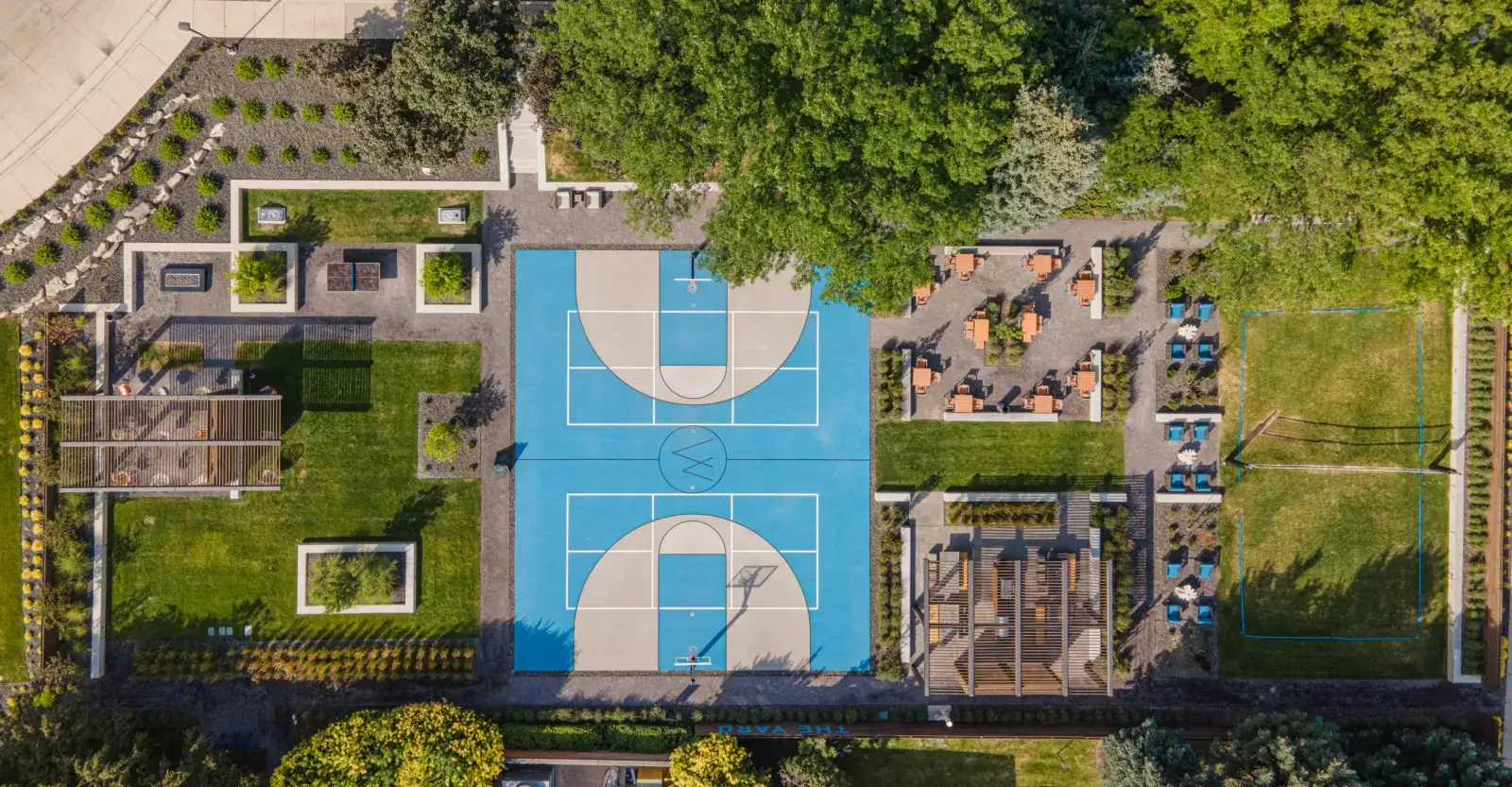
A single shared amenity zone dropped into the heart of an aging multi-building tech campus, designed to pull thousands of daily workers back outside.
The buildings were fine. The problem was the space between them.
A campus that emptied out.
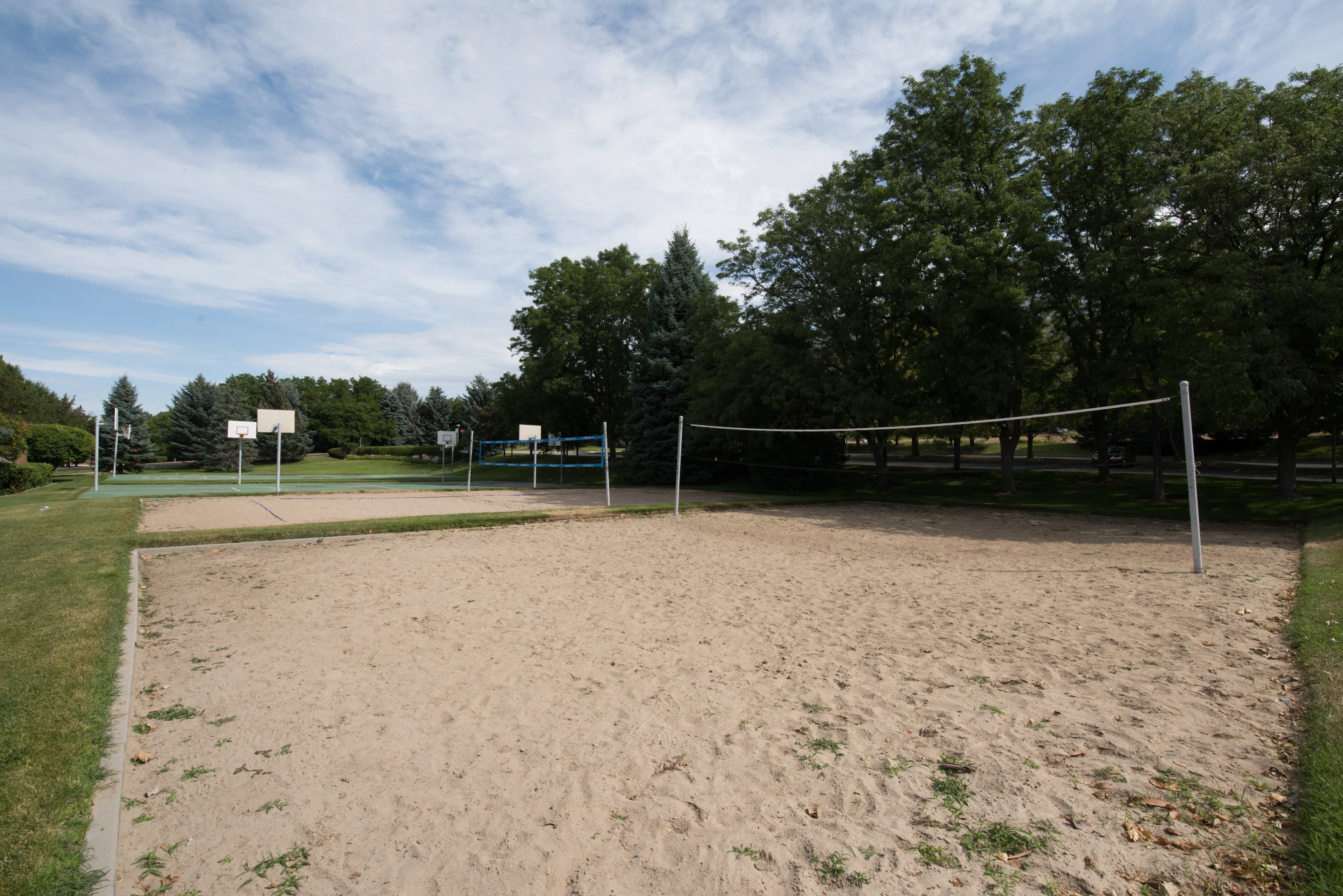
Built in the 1980s as a single corporate tech campus, Canyon Park had been sold off and had quietly gone dim. By the time The Muller Company took it on, half the offices sat empty and the outdoor space, two tired sport courts and not much else, gave nobody a reason to linger.
The brief was direct, and it had a hard constraint: backfill the buildings without touching them. No structural renovation. Find the reason thousands of daily workers would actually want to be on this campus, and build it in the space nobody was using.
That space was the lever. Not the buildings, the ground between them.
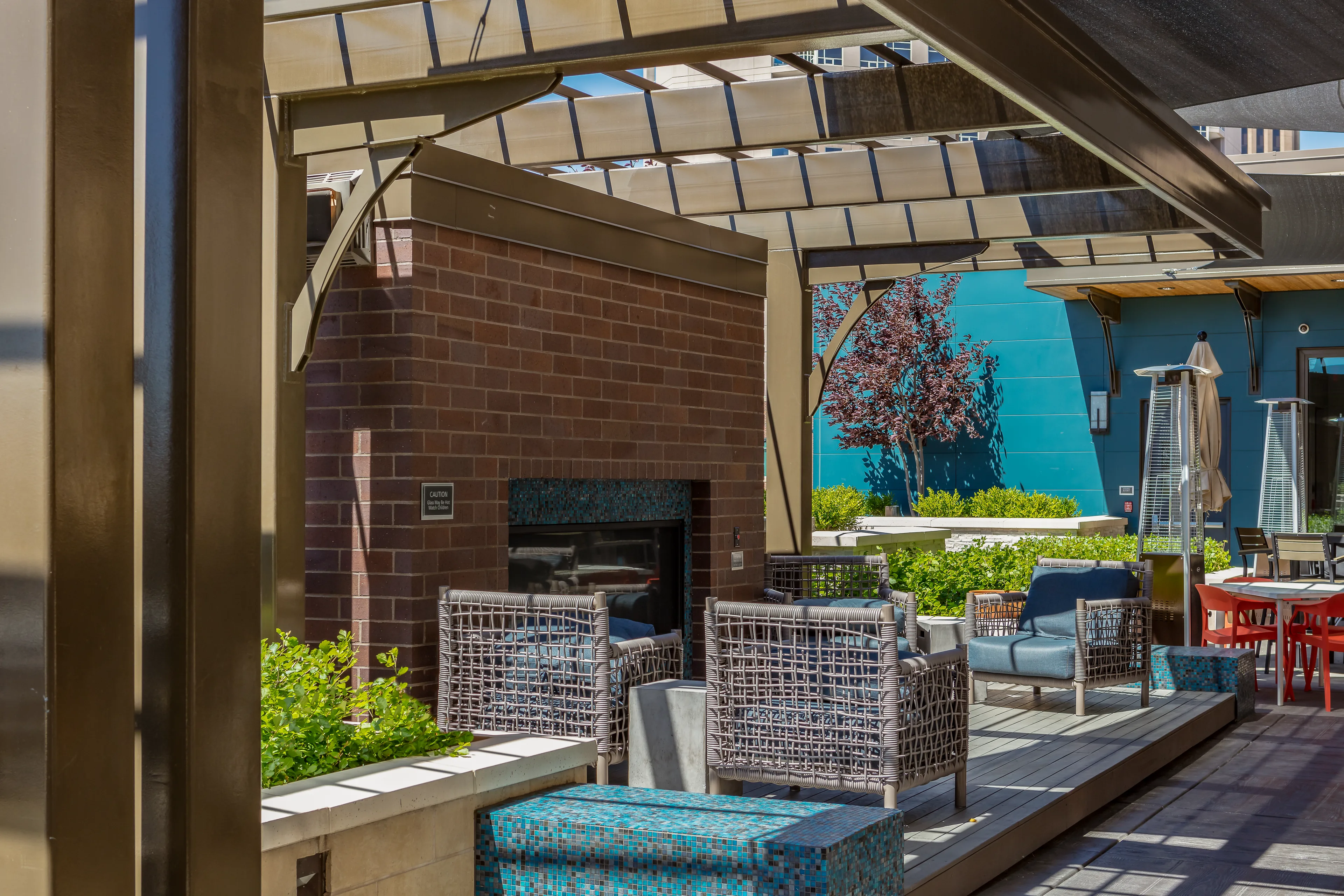
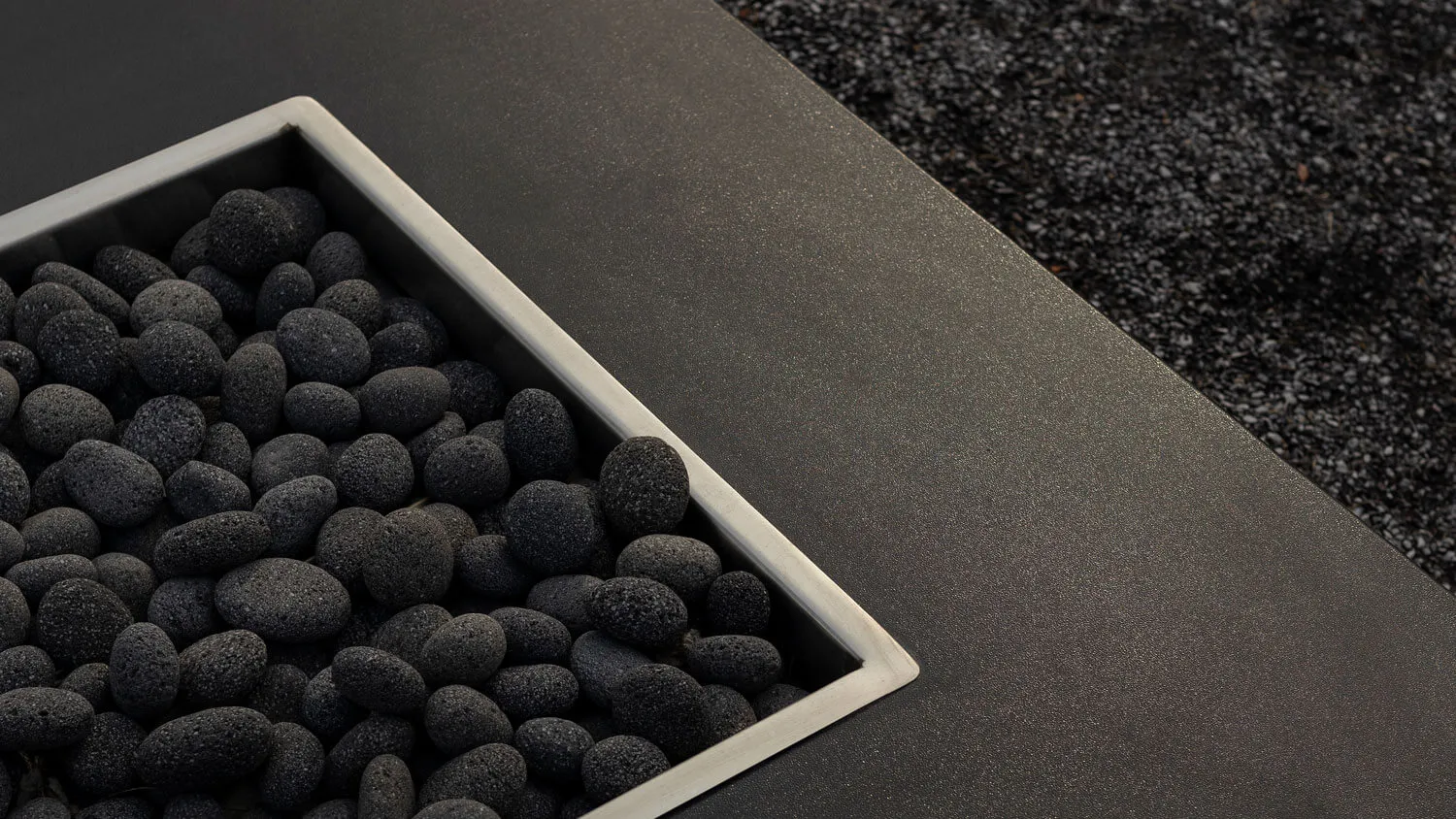
Fire, seating and warm light turn the middle of a workday campus into somewhere worth lingering after five, the after-hours draw the old courts never were.
One continuous outdoor room, programmed so a single campus space can be a quiet coffee at nine and a food-truck crowd at noon. Movable furnishings and clear sightlines do the work, so the yard flexes without losing its identity.
Design the culture, not just the space.
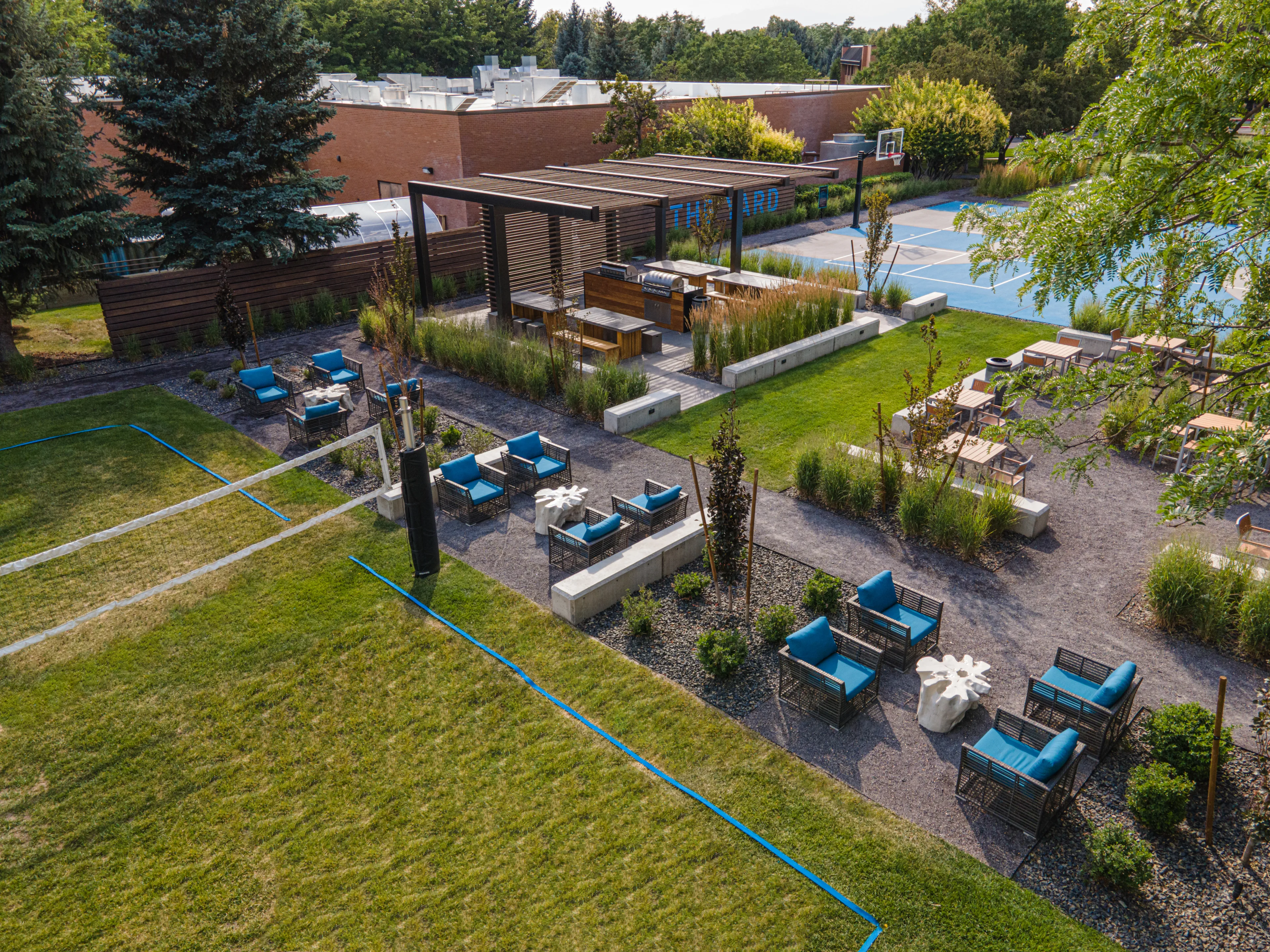
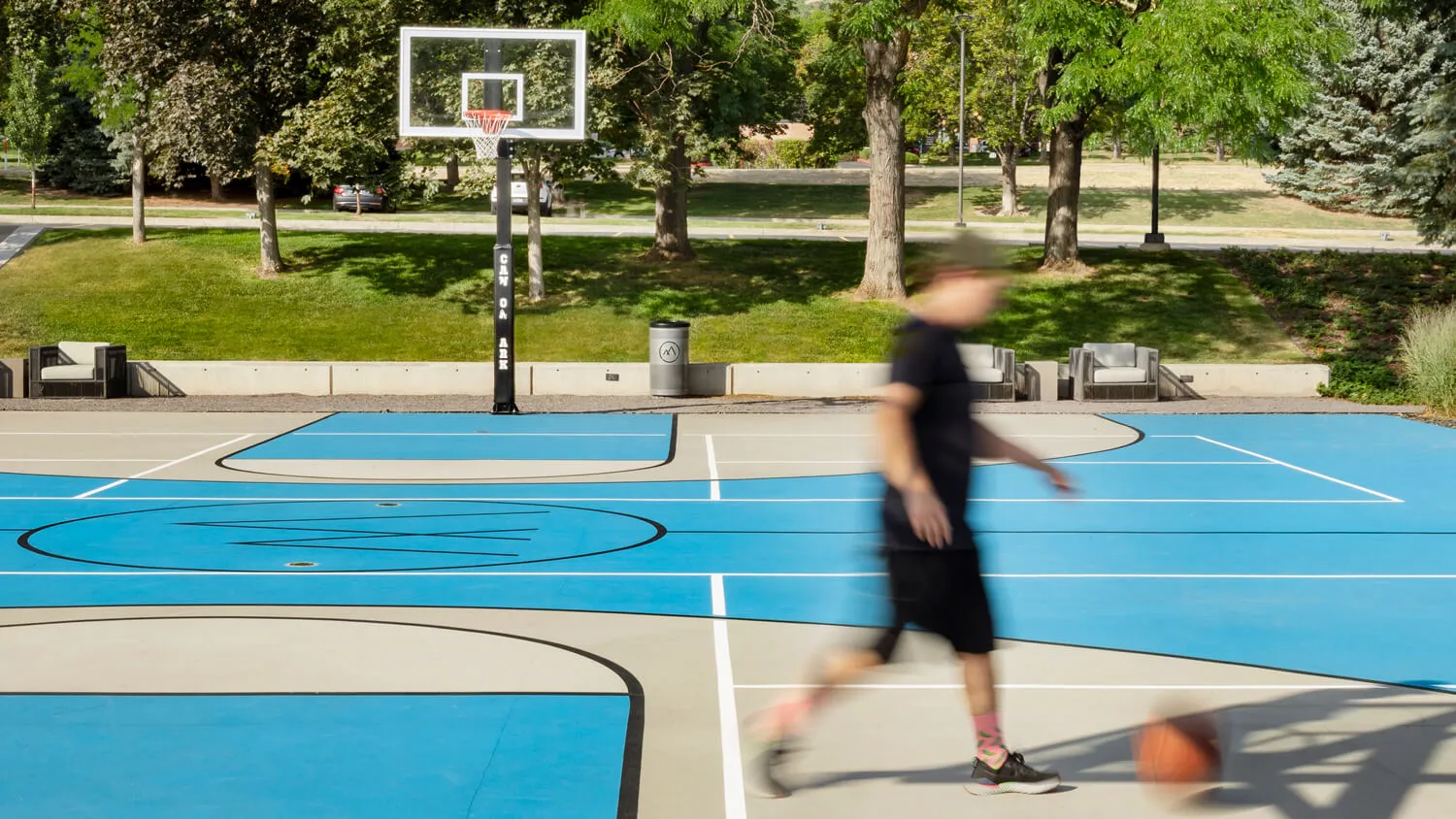
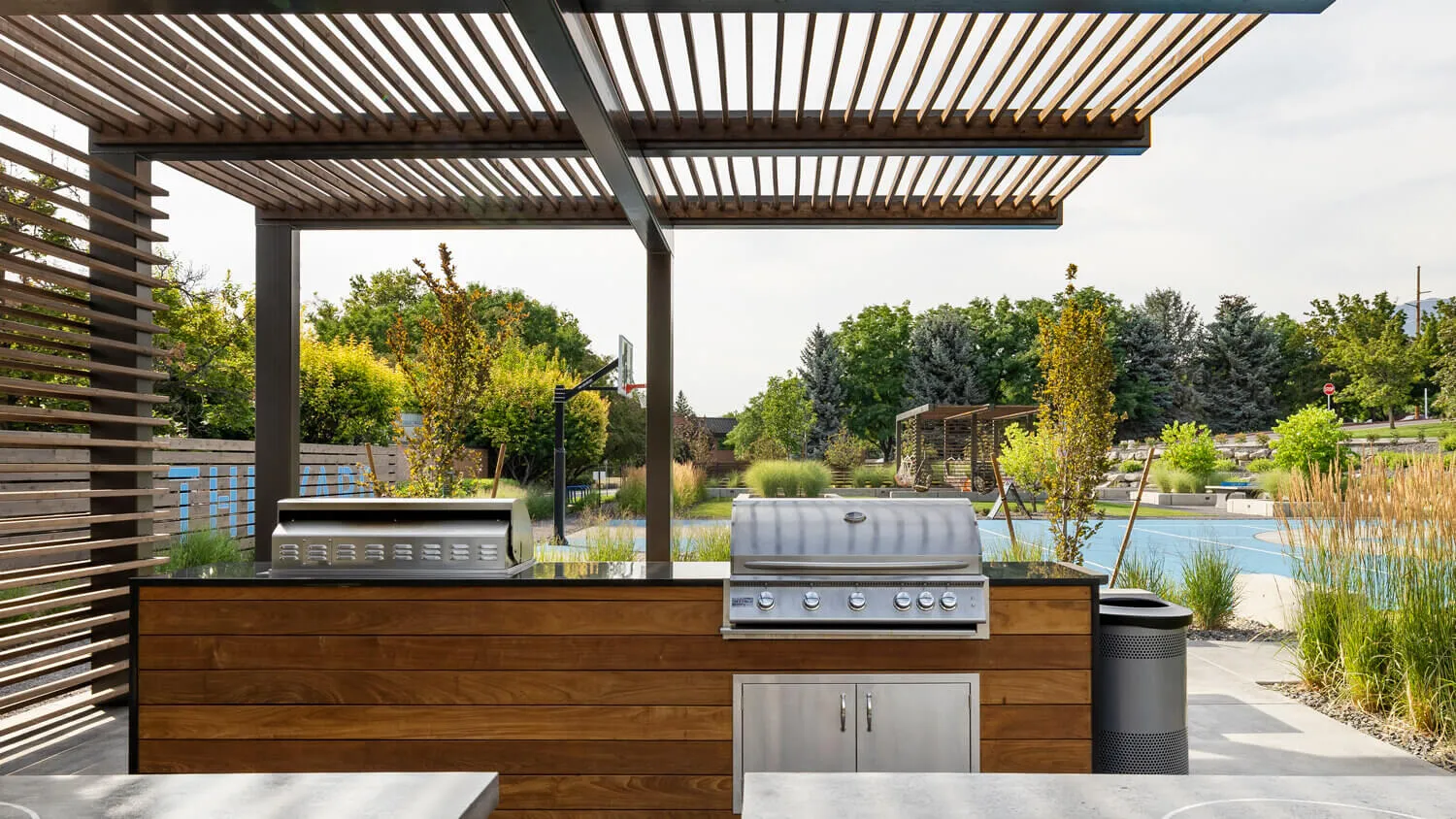
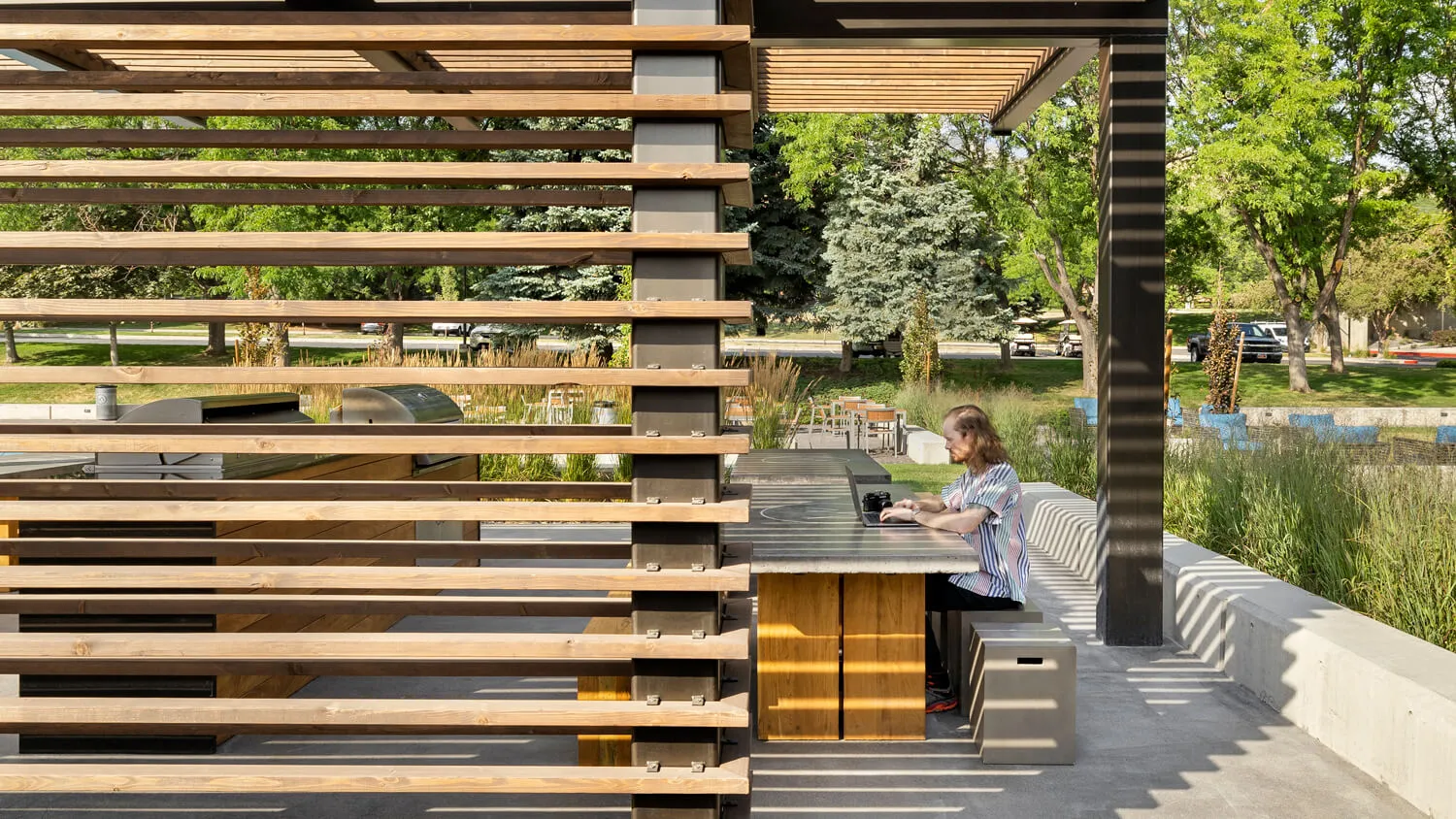
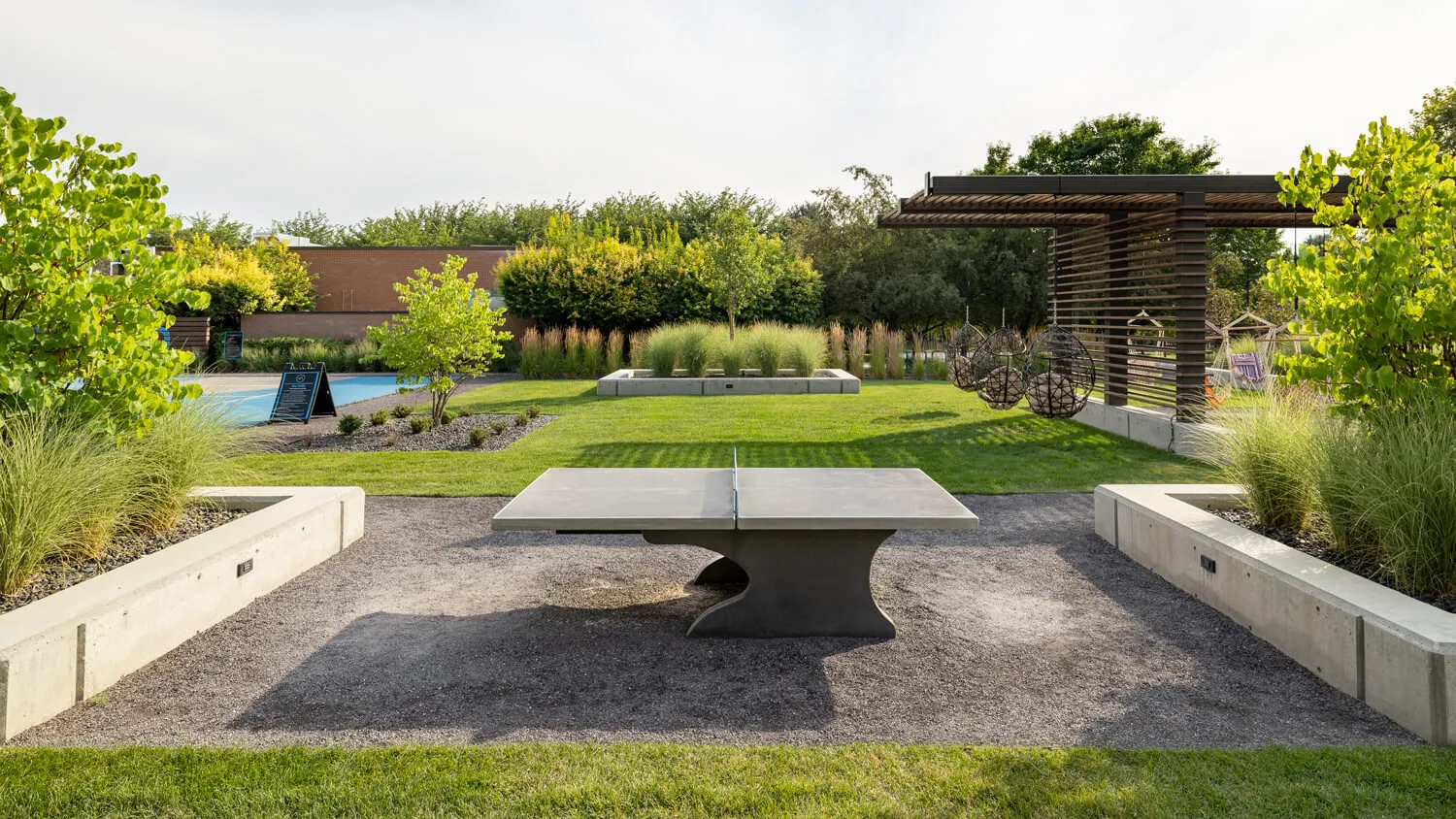
With no structural changes on the table, every move had to land in the landscape. We treated the yard as one flexible room rather than a scatter of features: an open lawn that hosts yoga, fitness, food trucks and team gatherings, ringed by fire, hammocks and a kitchen that extend the day into the evening.
Durability was a design driver, not an afterthought. Weather-resistant materials, synthetic turf and permeable paving keep a heavily-used campus space looking sharp under constant traffic and a low maintenance load. A drought-tolerant palette keeps it lush in feel but lean on water.
Custom signage, color and texture tie the yard to the campus brand, so it reads as part of the place, not bolted on. The test for every decision was simple. Would this give someone a reason to come outside?

The space between became the point.
The yard turned the forgotten middle of the campus into its busiest address. The same ground that gave tenants no reason to step outside became the place they choose to meet, eat and unwind, without a single building being touched.
For The Muller Company, the outdoor experience became the campus's leasing and marketing story, the thing that gets shown first and remembered longest in a portfolio built on repositioning underperforming assets.
It is proof of the studio's core commercial thesis: you don't have to rebuild a campus to change how it feels. You change the space between the buildings.